Jonas Van Put is a Belgian designer and maker. He creates objects and spaces that function as support for both collective and personal experiences. A waltz from office to atelier implies a hands-on way of working which ensures a quick and tangible physical result that can be adjusted to aesthetics and technicality. Jonas likes to express his creativity in projects of different scales for various clients.
Picture by Kelly De Block
What we take away and what we add concerns me. The boundary between what is natural and what is man-made. Between what already exists and what we add to it. I am fascinated by the way the natural and artificial worlds meet, reinforce, disrupt or sometimes almost imperceptibly merge into one another.
There is poetry in man-made, improvised tools, honest constructions and objects. Things in which the techniques are visible and legible. Simple, reproducible, demountable and repairable constructions. There is great beauty in the way people come up with solutions to particular problems. When someone repairs an object or constructs something with limited means, you can almost feel that problem-solving process. In a way, these constructions show how we, as humans, try to gain a sense of control over the world around us, over the impermanence of things and the acceleration of the digital world.
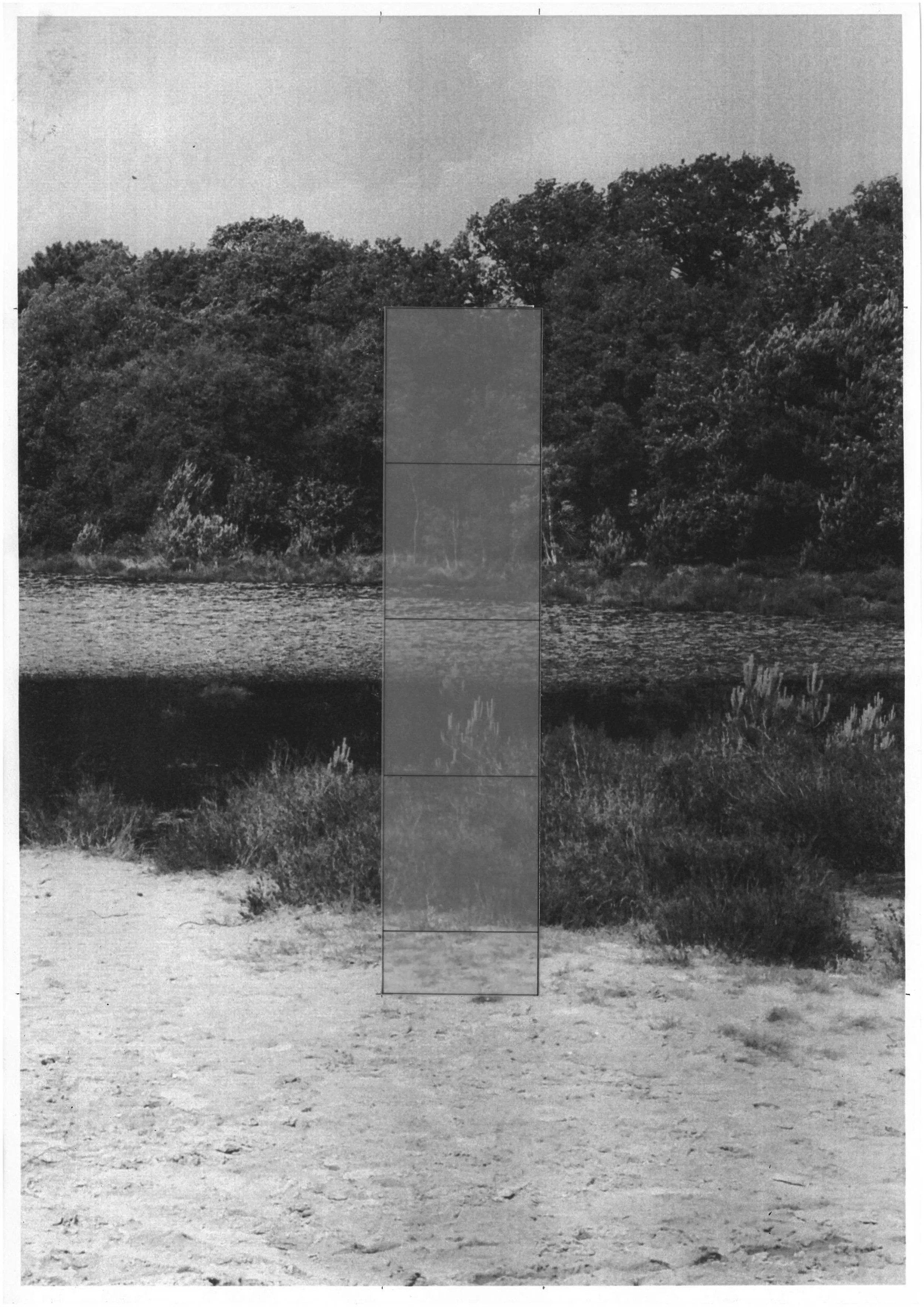
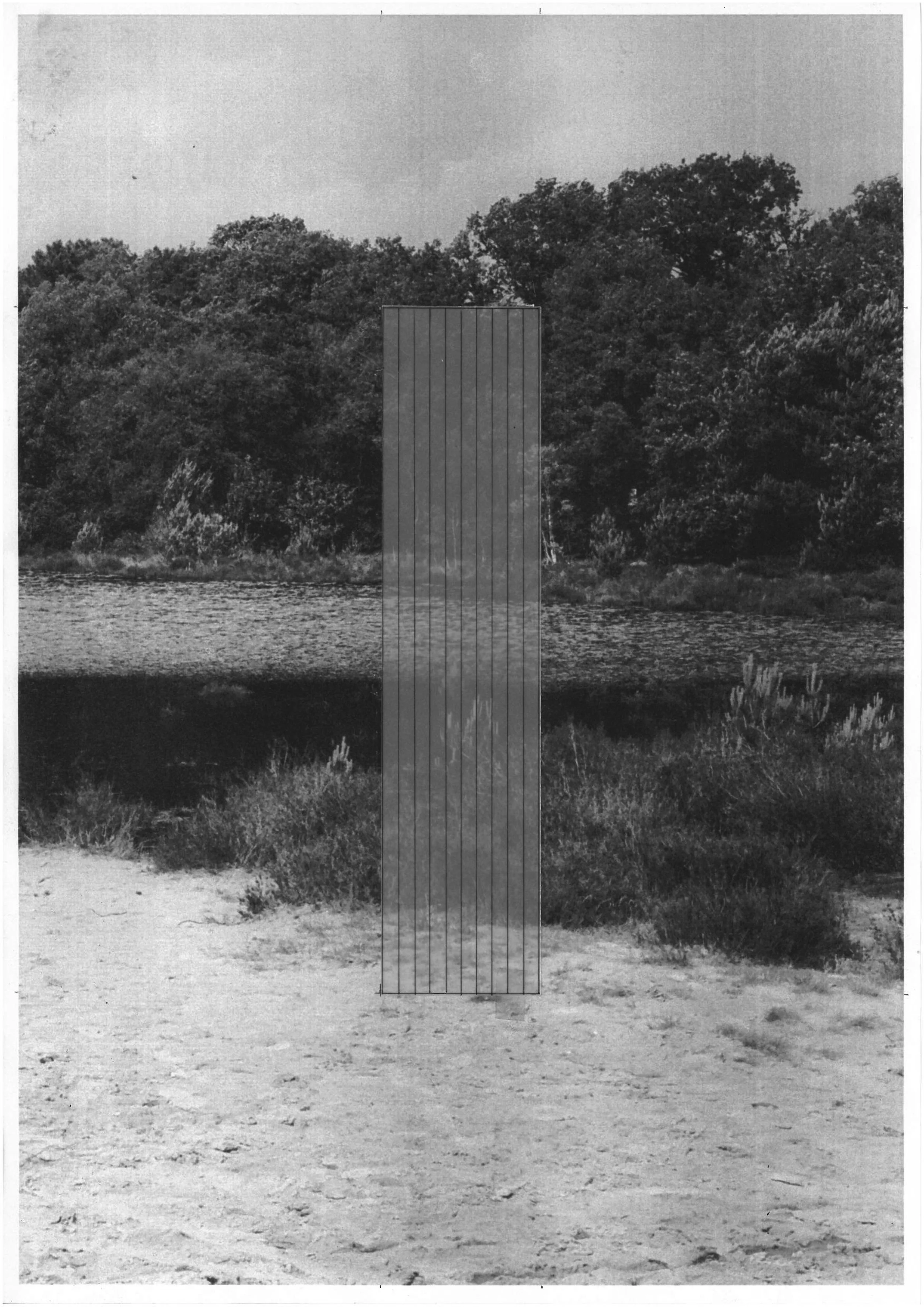
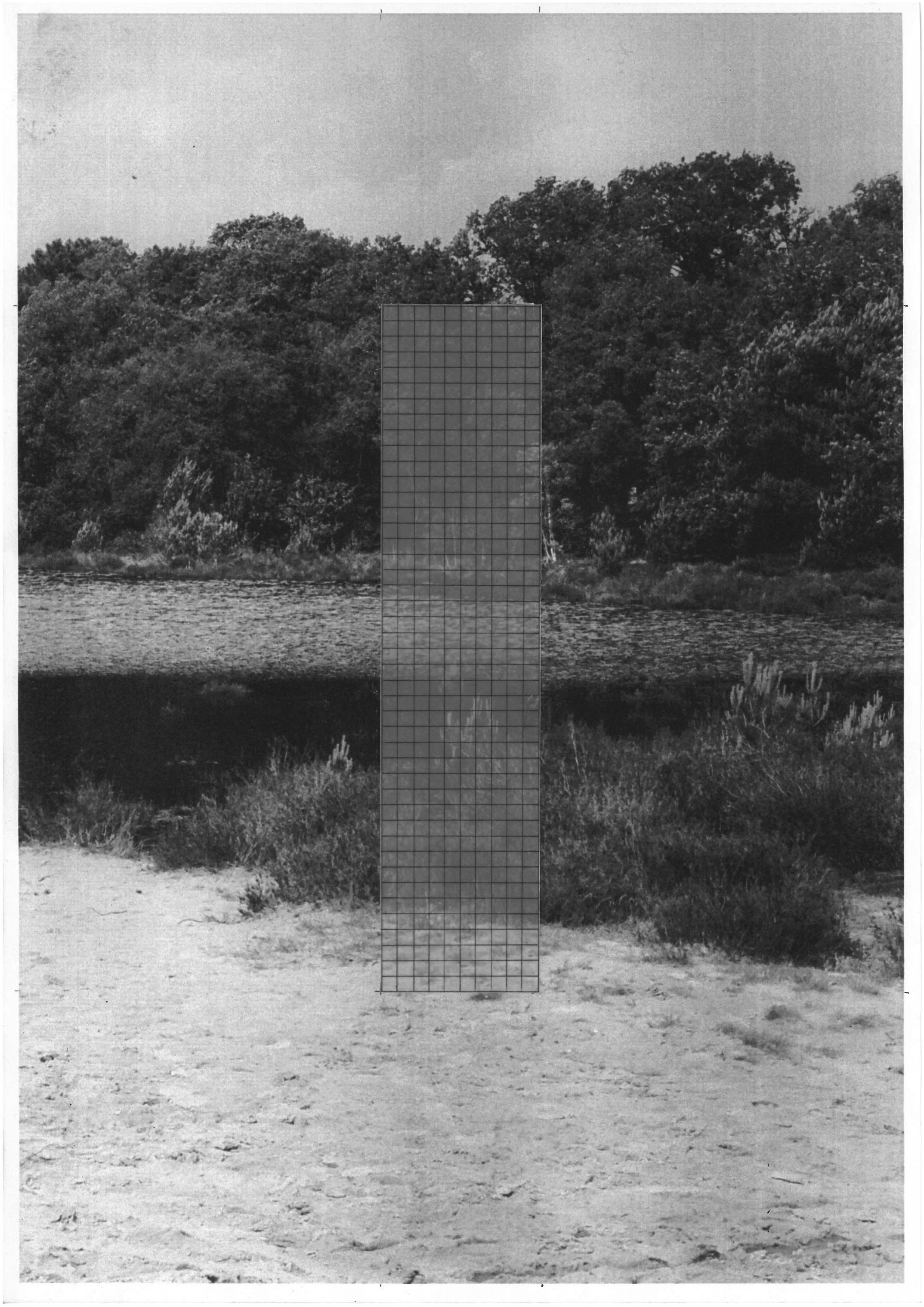
From this fascination, I want to create readable work that does not necessarily place the object itself at the centre, but rather the way we look at our surroundings. An object as a lens, a magnifying glass, a tool to make something visible that was actually already there. A sculpture that not only occupies space but also gives space. One that reflects, reinforces or questions the beauty or ugliness of its surroundings. By adding an object to a particular context, whether interior or exterior, that context itself can take on a different meaning. The object can blend into its surroundings or, on the contrary, contrast with them. It can blur the boundary between the natural and the artificial, change our perception or bend reality a little. But it also might spark the imagination.
reflecting surroundings, bending reality, bending time, bending perception.
I find it interesting that a work does not necessarily have to retain the same meaning forever. It may change over time, be absorbed by its surroundings, lose its relevance and perhaps be rediscovered decades later. The relationship between an object, its surroundings and the people who encounter it is just as important as the object itself.
That is why I like to start from a specific context. A place, a landscape, an architecture or an existing situation. I try to understand what is already there, what makes that environment particular and what kind of intervention could add something to it. Sometimes this leads to one, two or three proposals. Sometimes a small intervention is enough. It is not necessarily about making more, but about exploring what an addition can mean.
At the same time, I want to maintain the freedom to work from my own fascinations. To experiment, to play, to make and try things out without knowing in advance what they will become. Collaborations are important in this process. They bring new insights, techniques and perspectives, allowing you to speak another language.